08/02/2026
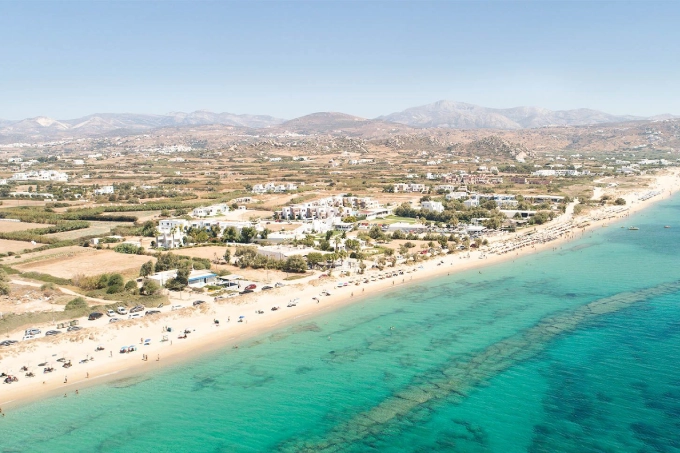
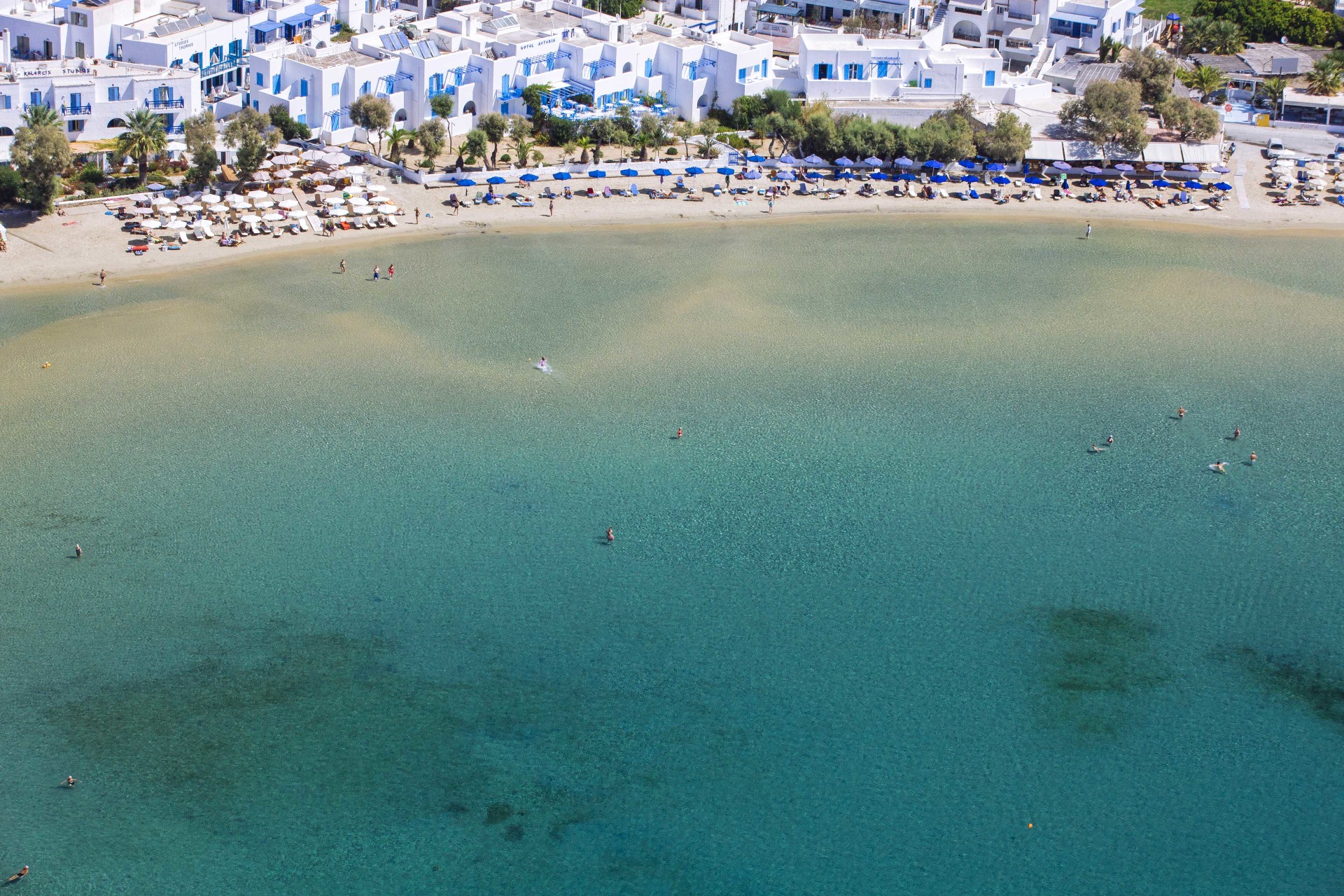
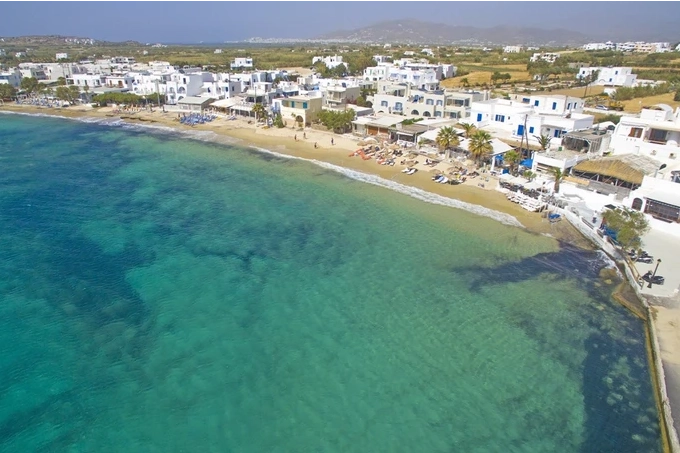
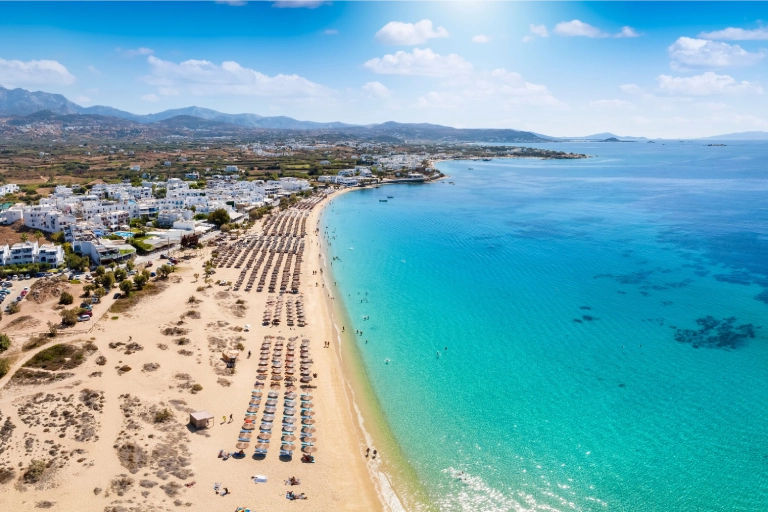
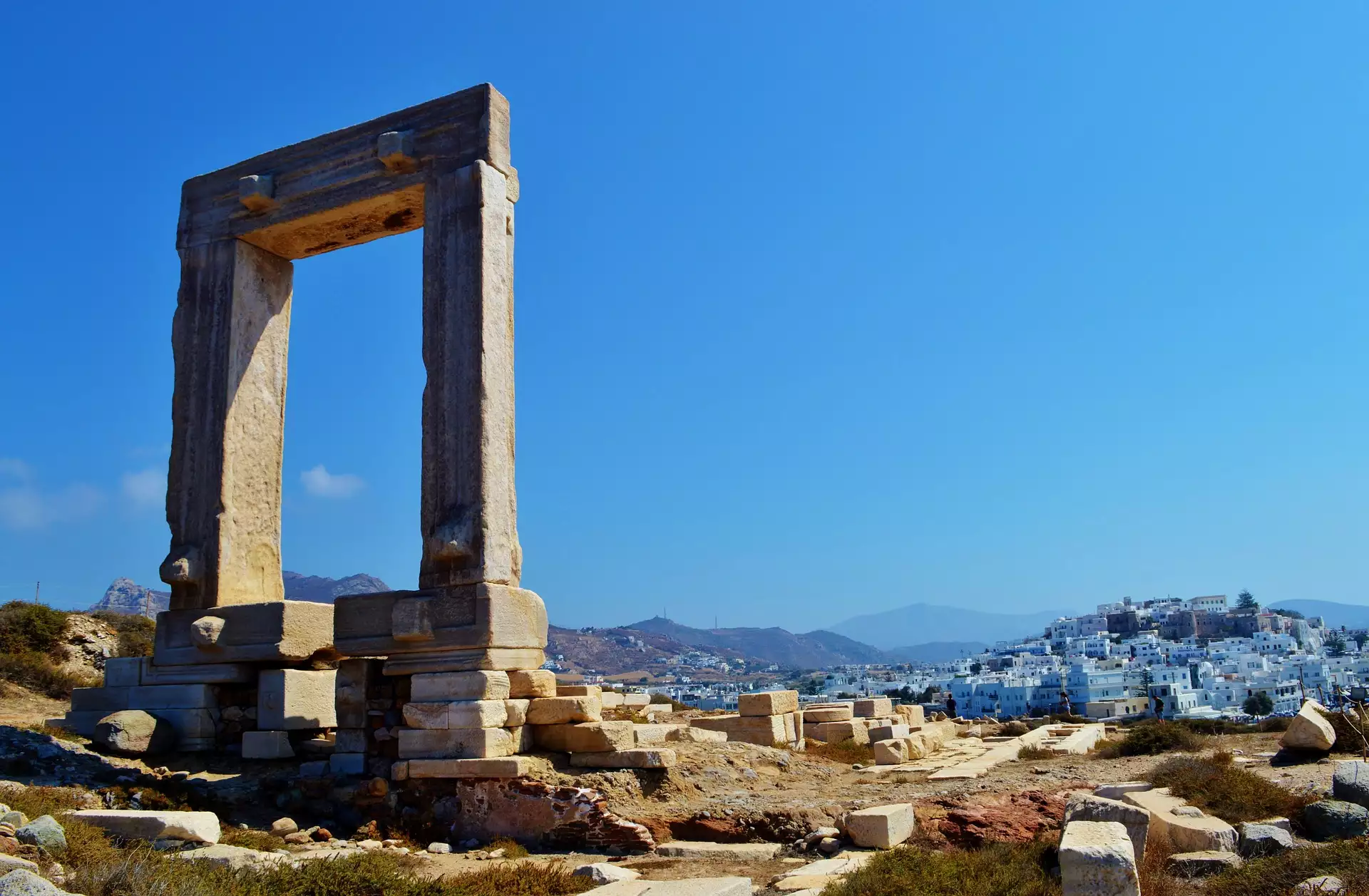 Naxos is one of the Aegean islands that can satisfy every visitor, regardless of age or travel group. Whether you are a couple, a family, or friends, the island offers experiences for everyone, making each visitor want to return again and again. Among its many highlights, one monument stands out and is instantly associated with Naxos: the imposing Portara, a landmark that never goes unnoticed.
The Portara is considered the grandest marble gate in the Cyclades and serves as a symbol of the island. Construction began in the 6th century BC by the tyrant Lygdamis, who aspired to build a temple larger than the Temple of Olympian Zeus in Athens and the Temple of Hera in Samos. However, this ambitious project was never completed.
The monument that survives today consists of four enormous marble monoliths made of Naxian marble, each over six meters long and weighing around 20 tons. The temple was designed in the Ionic order and would have measured 59 meters in length and 28 meters in width, with its main entrance facing west — a rare feature for temples of this type. The gate that remains today led from the pronaos into the interior of the temple, while the foundations of the building and the unfinished colonnade are still visible around it.
During the early centuries of Christianity, around the 6th or 7th century AD, the ruins of the ancient temple were used to create a basilica, following the practices of the time. Later, during the Venetian period, marble elements from the monument were repurposed to build the Castle of Naxos Town.
The Portara is also linked to numerous myths and legends. Its orientation toward Delos suggests that the temple was dedicated to the god Apollo. According to mythology, Theseus abandoned Ariadne in the area of Palatia after returning from Crete following his victory over the Minotaur. Later, Dionysus took her with him, connecting the site to the earliest Dionysian celebrations.
The small islet of Palatia remained separated from Naxos until 1919. Today, it is connected to the mainland by a stone-paved walkway. Over the centuries, rising sea levels have submerged the ancient shorelines, revealing that in antiquity the area was a low hill opposite the Castle, with a flat plain lying in between.
A vacation in Naxos combines relaxation, entertainment, and a unique encounter with history — a destination that leaves lasting memories and invites you to explore it again.
Photo credit: Olaf Tausch
Naxos is one of the Aegean islands that can satisfy every visitor, regardless of age or travel group. Whether you are a couple, a family, or friends, the island offers experiences for everyone, making each visitor want to return again and again. Among its many highlights, one monument stands out and is instantly associated with Naxos: the imposing Portara, a landmark that never goes unnoticed.
The Portara is considered the grandest marble gate in the Cyclades and serves as a symbol of the island. Construction began in the 6th century BC by the tyrant Lygdamis, who aspired to build a temple larger than the Temple of Olympian Zeus in Athens and the Temple of Hera in Samos. However, this ambitious project was never completed.
The monument that survives today consists of four enormous marble monoliths made of Naxian marble, each over six meters long and weighing around 20 tons. The temple was designed in the Ionic order and would have measured 59 meters in length and 28 meters in width, with its main entrance facing west — a rare feature for temples of this type. The gate that remains today led from the pronaos into the interior of the temple, while the foundations of the building and the unfinished colonnade are still visible around it.
During the early centuries of Christianity, around the 6th or 7th century AD, the ruins of the ancient temple were used to create a basilica, following the practices of the time. Later, during the Venetian period, marble elements from the monument were repurposed to build the Castle of Naxos Town.
The Portara is also linked to numerous myths and legends. Its orientation toward Delos suggests that the temple was dedicated to the god Apollo. According to mythology, Theseus abandoned Ariadne in the area of Palatia after returning from Crete following his victory over the Minotaur. Later, Dionysus took her with him, connecting the site to the earliest Dionysian celebrations.
The small islet of Palatia remained separated from Naxos until 1919. Today, it is connected to the mainland by a stone-paved walkway. Over the centuries, rising sea levels have submerged the ancient shorelines, revealing that in antiquity the area was a low hill opposite the Castle, with a flat plain lying in between.
A vacation in Naxos combines relaxation, entertainment, and a unique encounter with history — a destination that leaves lasting memories and invites you to explore it again.
Photo credit: Olaf Tausch